Calgary Lock Services responds to a broken key in lock situations more often than most people expect, and the first few minutes decide how easy the repair will be. A snapped key looks like a disaster, yet the lock usually survives if you leave it alone. This guide explains why keys break, what to do straight away, how a fragment is removed and which habits stop it from happening again.
Why Keys Snap Inside a Lock
Keys rarely break without warning. Brass fatigues slowly. Every time you turn a key against a stiff lock, the metal bends a tiny amount. After hundreds of cycles, a hairline crack forms at the weakest point, usually where the blade meets the bow. One hard twist then finishes the job.
Cold weather speeds this up. Metal becomes less forgiving, and lock lubricant thickens. A frozen deadbolt on a minus 25 morning asks a lot of an old key. Many calls we receive in January begin with someone pushing harder than the lock allowed.
Common causes at a glance
Most breaks trace back to a short list of causes. Knowing which one applies helps you avoid a repeat.
- A worn or copied-from-a-copy key that no longer matches the lock cuts.
- A lock that binds because of dirt, ice or misalignment.
- Using the key as a lever or a screwdriver.
- Excess force on a door that is already pressed against its frame.
- A duplicate made from a soft, poor-quality blank.
First Steps When You Have a Broken Key in Lock
Stop. Do not try to turn the lock again. Every extra attempt risks pushing the fragment deeper or damaging the pins. The goal is to keep the break easy to reach for whoever removes it.
Look at the keyway with a flashlight. If a piece of the key sticks out, you may be able to grip it. If the fragment is flush or sunk inside, leave it for a professional. Keep the other half of the key, because it helps the technician match the cuts.
When you can try to grip it yourself
A visible fragment sometimes allows a gentle pull. Use needle-nose pliers and grip the exposed edge firmly. Pull straight out, with no twisting. If the piece moves even slightly, keep the same angle until it slides free. If it does not move at once, stop.
What never to do
Some home remedies cause far more damage than the original break. Avoid these completely:
- Do not use super glue to attach the pieces. It gums up the pins and can seal the lock permanently.
- Do not push a screwdriver or a nail into the keyway.
- Do not spray heavy oil. It carries debris into the pin chambers.
- Do not hammer the door or the lock body.
How a Locksmith Removes a Broken Key in Lock
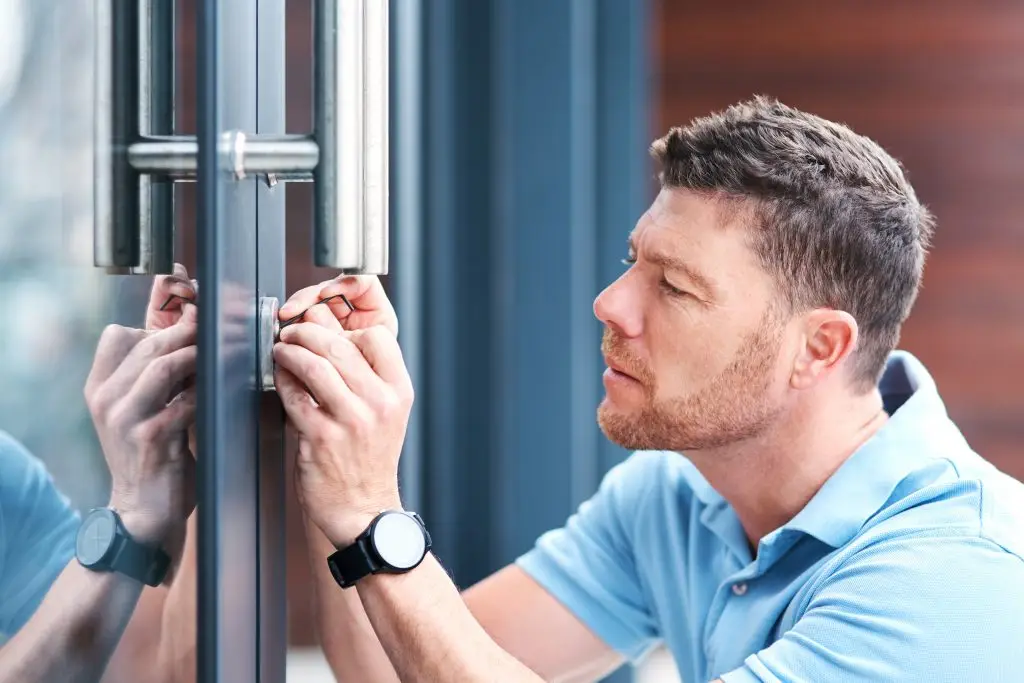
Technicians use thin extractor tools that slip beside the fragment without touching the pins. The tool has a tiny hook or barbed edge. It catches a groove in the broken key, and the technician draws it out in a smooth motion. When the fragment sits deep, a slim pick holds the pins out of the way first.
Many extractions finish in minutes, and the lock continues to work. We then test the original lock with a new key. If the cylinder shows damage, we explain the options before touching anything else. An honest quote is provided after assessment, never before we see the lock.
When the lock has to come apart
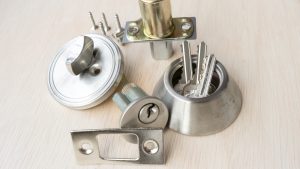
Some breaks leave a fragment wedged against the plug. The technician then removes the cylinder, pushes the piece out from the rear and rebuilds the pins. This approach preserves the lock when it can be saved. If the cylinder is badly worn, replacement is the safer path.
Which Lock and Which Situation: A Quick Guide
The type of lock changes how the extraction goes. Use this table to see what to expect.
| Situation | What it usually means | What we do |
|---|---|---|
| Fragment sticks out of the keyway | Easiest case for removal | Grip with fine tools and test the lock |
| Fragment flush with the face | Tool access is tight | Use a thin extractor along the keyway |
| Fragment deep inside | Pins may be binding it | Hold the pins and draw it out, or remove the cylinder |
| Key broke in a frozen lock | Ice is adding resistance | Warm the lock gently first, then extract |
| Key broke in a car door or ignition | Smaller cylinder, limited access | Extract on site, then cut or program a new key |
Our guide on preventing and fixing frozen locks explains how to handle ice before it leads to a break.
Special Cases: Cars, Padlocks and Mailboxes
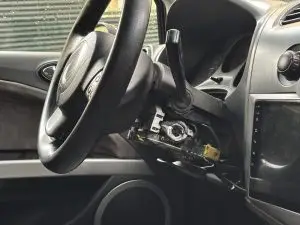
A broken key in lock does not only happen on house doors. Vehicle ignitions and door cylinders are small, and the keys are thin. Chipped transponder keys also contain electronics, which means the replacement must be programmed to the car. See our overview of mobile locksmith service for how on-site work happens.
Padlocks and mailbox locks bring another challenge. They are often lightly built, and the keys are soft. If the lock is simple, a technician can extract the fragment or recommend replacing the whole lock. A weathered padlock that has been used for years is often best swapped for a new unit.
What Happens After the Fragment Is Out
Removal is only half the job. A key that broke once will break again if the lock is still stiff or if the duplicate remains weak. Ask the technician to check how the replacement key turns. It should move smoothly with just your fingertips.
If the lock feels rough, rekeying or servicing it prevents a repeat. Our article on why rekeying can be safer than replacing explains how a fresh set of pins gives you a clean start. Always cut new keys from the original or from a code, not from a worn copy.
Prevention checklist
A few habits keep keys intact for years and make a broken key in lock a rare event.
1. Replace any key that is bent, cracked or visibly worn.
2. Never use a key to pry, scrape or open packages.
3. Lubricate locks once a year with dry graphite.
4. Keep spare keys in a safe place so you are never forced to use a damaged one.
5. Fix sticky doors or frames so the bolt moves freely.
Locked out because of the break?
A snapped key at the front door often means you are also locked out. In that case you have two jobs: get inside and save the lock. The safest path is to call before trying anything else. Our emergency locksmith service can open the door and extract the fragment in one visit.
The RCMP shares advice on protecting your home when a lock is damaged. If the door cannot be secured, ask a neighbour to watch the property until help arrives.
Frequently Asked Questions
Can a broken key be removed without damaging the lock?
Usually yes. Specialized extractors reach the fragment without touching the pins. Success is highest when the lock has not been forced or filled with glue.
Should I use a magnet or glue to get the piece out?
No. Magnets do not work on brass, and glue can seal the cylinder shut. Both turn a quick extraction into a replacement.
Will I need a new lock after the key breaks?
Not always. If the cylinder is undamaged, it can stay in use with a new key. A worn or damaged cylinder is better replaced.
Why do keys break more often in winter?
Cold metal is less flexible, and frozen lock parts resist the key. The extra force is what causes the snap. Keeping locks dry and lightly lubricated helps.
Contact Calgary Lock Services
If a key has snapped and you are not sure what to do, call us.
- Phone: (403) 870-4095
- Address: 307 Trafford Dr NW, Calgary, AB T2K 2T1
- Hours: open 24/7, Monday to Sunday