Cold snaps and warm Chinook winds make Calgary winters unpredictable. We deal with sudden temperature swings, snowstorms, and thaw cycles that test every part of a home. That includes our locks, doors, windows, and access points. When temperatures change quickly, things shift and security weakens. That’s why a seasonal checklist matters. Let’s walk through what every household should review, fix, and prepare—before the weather does damage.
Inspect and Reinforce Exterior Door Locks
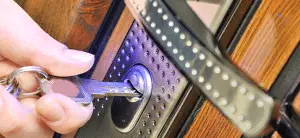
Locks get stiff in the cold, especially during a deep freeze. That is to say, if a deadbolt jams on a -25°C night, you risk being locked out or stuck with a door that won’t close. Cold weather can also shrink and shift wooden door frames. We check our exterior locks for smooth operation, full bolt extension, and solid strike plate alignment.
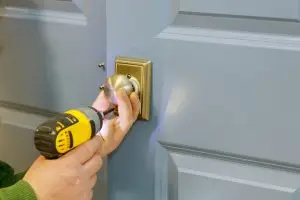
If anything feels loose, we tighten the screws. If a latch doesn’t fully engage, we adjust the strike plate or shim the hinges. These small steps help prevent a total failure in bitter cold. For tougher cases, we schedule a checkup with a professional who handles residential locksmith Calgary services. A little tune-up now is better than a replacement later.
Check All Weatherstripping and Door Seals
Gaps in your door frames or worn weatherstripping let in cold air and moisture. During a Chinook, melting snow finds its way into those gaps. After that, temperatures drop again and freeze the water inside, expanding the frame and forcing the door out of alignment.
We press along all edges of our doors to feel for cold drafts. Any movement in the weather seal tells us it’s time to replace or reinforce it. We use foam or rubber strips to get a tight seal and prevent both heat loss and water intrusion. Even steel doors need attention, especially around the sill and latch area.
Review Garage and Side Door Security
Detached garages and side entrances are easy targets in winter. Snow piles give cover, and fewer people are outside to notice strange activity. Therefore, we take a good look at these doors during fall or early winter. We test locks, hinges, and smart systems for reliability in freezing weather.
If we use a keypad or smart lock, we check the batteries before temperatures drop too low. Cold can kill battery life quickly. When in doubt, we keep a spare key nearby just in case. It helps to add a motion light or a basic camera aimed at the secondary entrances. These simple actions make our property less inviting to trouble.
Monitor and Protect Basement Window Security
Snowdrifts against basement windows may seem harmless. However, heavy buildup adds pressure on glass and frames. When things warm up, melting snow can leak into small cracks. That’s why we always shovel snow away from our lower windows and make sure they’re sealed tight.
Window well covers help, especially if they’re clear polycarbonate and well-secured. We also examine any locks on opening basement windows. If they’re old or loose, they can be replaced with locking mechanisms that secure from inside. If we find anything off, we check in with a locksmith in Calgary to look at our options for upgrading those vulnerable points.
Test Interior Door Locks for Emergencies
Interior security often gets ignored until something happens. That is to say, bathroom, bedroom, or basement suite doors sometimes jam or stop locking correctly. In winter, wood doors swell and metal locks seize. These issues can turn into safety risks if someone gets stuck or privacy is compromised.
We test every interior lock for smooth operation. If a turn button or privacy lock sticks, we apply a graphite lubricant or replace the knob entirely. This helps in homes with tenants, roommates, or older adults who need reliable privacy and escape access. Most importantly, we confirm that all locking doors open easily from the outside using a safety release.
Clean and Inspect Door Hinges and Strike Plates
Hinges hold everything in alignment, but they collect dust, grit, and moisture—especially in snowy weather. During a Chinook, humidity rises and exposes door hardware to rust or corrosion. We check each hinge pin for looseness and rust. If one squeaks or shifts, we remove it, clean it, and use lubricant before reinstalling.
We do the same with strike plates. A loose strike lets the latch wiggle and weaken. We use longer screws (3 inches or more) to anchor plates into the frame stud. It only takes a few minutes to prevent door sagging and possible lock failure. These small upgrades support our main locking systems and stop misalignment later.
Adjust Doors After Chinook-Induced Shifting
Sudden thaw cycles make doors bind or sag. One day the door closes fine. The next, it sticks or scrapes the floor. We don’t wait to fix this. We tighten hinge screws, add weather seal foam, or use an adjustable strike plate to correct the issue.
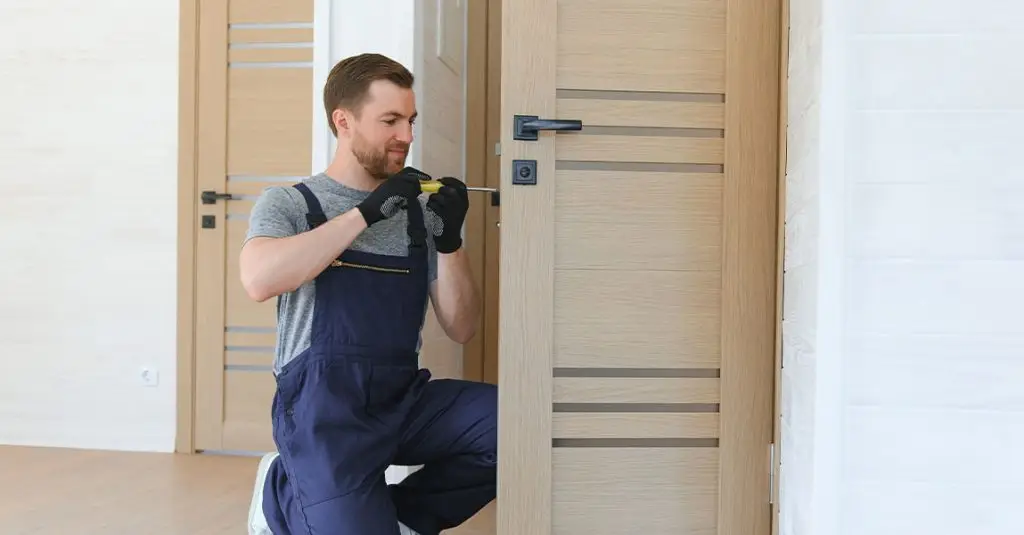
If the latch won’t catch, we look at both sides. The door might have dropped slightly or the frame may have moved. Quick fixes can often be done with a screwdriver and a little sanding. However, if misalignment continues, we contact a lock installation repair service to reset or replace the setup. That keeps our locks working right all season.
Secure Outdoor Sheds and Storage
Winter gear like shovels, tools, and salt bins sit in outdoor sheds that often get overlooked. Unfortunately, so do their locks. Many homeowners use basic padlocks or latches that rust or break after the first freeze-thaw cycle. We look over our outdoor locks and upgrade to weatherproof options if needed.
We also inspect the structure. Sheds with wood rot or lifted roofs invite water and rodents. A quick patch before snow hits can save a lot of mess in the spring. Most importantly, we keep shed keys in one reliable place inside, so we’re not scrambling during a storm.
Keep Entry Keys Organized and Accessible
Winter is the worst time to lose keys. Gloves make it hard to feel for pockets, and it’s easy to drop a key into deep snow without noticing. That’s why we set up a key system before winter begins. We label all sets clearly and hang them on a secure indoor hook near the front or garage entrance.
Spare keys for family or trusted friends go in tamper-proof lockboxes or keypad vaults near the property. We avoid hiding them under mats or in fake rocks, since snow shifts them out of place. When we review our storage plan, we also look at replacement options through a local locksmith in Calgary in case of emergencies.
Make a Winter Emergency Lock Plan
If something breaks, we don’t want to be stuck outside in -30°C with no plan. So we build a winter lock emergency guide in advance. We keep one printed copy near the front door or garage and another saved on our phone.
The guide includes contact info for emergency locksmith services, a list of who has spare keys, and reminders about how to disable alarms during a lockout. We also write down the lockbox code and location. That way, we’re not relying on memory when things go wrong. Having a calm backup plan makes cold weather less stressful for everyone in the house.
FAQ
Why do door locks fail more in winter?
Extreme cold can shrink metal parts, dry out internal lubricants, and warp door frames. These changes make locks jam, stick, or stop working.
What’s the best way to test if my door needs adjusting?
Close the door slowly and watch the latch. If it scrapes, doesn’t align with the strike plate, or needs force to shut, it likely needs adjusting.
Can Chinooks really affect door hardware?
Yes. Chinooks cause sudden warming that expands wood and raises humidity. This can swell doors and loosen components unexpectedly.
Should I lubricate locks before or during winter?
Before winter is best. Use a dry lubricant like graphite. Avoid oils that freeze or collect dust.
What if my garage keypad stops working in the cold?
Check the battery first. Cold drains battery life fast. If replacing it doesn’t help, use your manual override key or contact a locksmith.