Our team at Super G & R knows that winter in Calgary brings more than just beautiful snow; it brings extreme cold that can freeze your world in an instant. When the temperature drops below -30 degrees, the locks on your car and your home face a massive amount of stress. We believe that being prepared for the Alberta frost is the best way to keep your day running smoothly. Frozen locks are not just a nuisance; they can leave you stranded in dangerous conditions. By understanding how the cold affects metal, you can prevent these issues before the first blizzard hits.
Why Metal Locks Freeze in Calgary
Metal is a material that reacts quickly to the environment around it. We see that moisture from the air or melting snow gets inside the lock cylinder and then turns to ice as the temperature falls. This ice acts like a glue that prevents the tiny pins inside from moving. Transitioning from a warm garage to the freezing outdoors can also cause condensation to form inside your vehicle’s door handles. When you try to turn your key, you might find that it will not budge or, even worse, it might snap off entirely. We prioritize your safety and want to help you avoid these frustrating winter traps.
Simple Prevention Tips for Home and Auto Locks
We suggest that you lubricate your locks before the heavy snow arrives. Using a dry graphite spray is a smart choice because it does not attract dirt or gum up in the cold like oil does. You should also check the weather stripping around your doors to make sure moisture cannot leak inside the frame. If you have a car, keeping a small bottle of lock de-icer in your coat pocket—not inside the car—is a life-saver. We believe that taking five minutes to prep your hardware in the fall can save you hours of shivering on your driveway in January.
Dealing with a Frozen Car Lock Safely
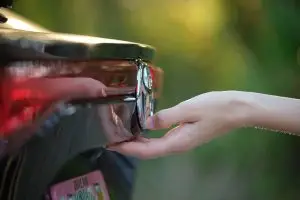
If you find yourself standing beside a frozen vehicle, your first instinct might be to pull the handle as hard as you can. We strongly advise against this, as you can break the plastic components or tear the rubber seals. Instead, try pushing on the door firmly to break the ice seal around the edges. You can also use your breath to blow warm air into the keyhole through a straw or a rolled-up piece of paper. If the internal mechanism is truly stuck, you may need professional Auto Lock Repairing Calgary to get the door moving again without causing permanent damage to the latch.
The Danger of Using Boiling Water
Many people think that pouring boiling water over a frozen lock is a quick fix. We want to warn you that this is actually a very bad idea. The extreme heat can crack the glass of your windows or damage the paint on your door. Furthermore, the water will eventually cool down and freeze inside the lock, making the problem even worse than it was before. We believe in using gentle heat, such as a hair dryer or a heated key, to melt the ice safely. Transitioning to these safer methods ensures that your hardware stays in good shape throughout the entire winter season.
How to Heat Your Key to Melt Ice
If you do not have a de-icer, you can use a lighter or a match to carefully heat the metal part of your key. We suggest holding the key with a glove so you do not burn your fingers. Once the key is warm, slide it into the lock and let it sit for a few seconds to transfer the heat to the ice. Do not force it; if it doesn’t turn, repeat the process a few more times. We believe that patience is the key to winning the battle against Calgary’s frost. This trick works for both house keys and older car keys that do not have plastic fobs.
Serving All Calgary Communities in the Cold
Our team travels across the entire city and surrounding areas to help residents stay warm and secure. We provide support in Airdrie, Cochrane, and Chestermere whenever the weather turns sour. We also reach out to our neighbours in Okotoks and High River to ensure no one is left out in the cold. We believe that the Best Locksmith Services near you should be reliable even in the worst Alberta blizzards. No matter if you are in Black Diamond or downtown, our mobile units stay ready to assist you.
When to Call for Professional Help
Sometimes, a frozen lock is actually a sign of a deeper mechanical failure. If you have successfully melted the ice but the key still will not turn, the internal springs or pins might be broken. We suggest calling an expert if you feel any grinding or if the lock feels “mushy” when you turn it. Attempting to fix a complex lock yourself can lead to a much more expensive repair bill. Our professional technicians have the right tools to disassemble the lock and fix the root of the problem. Please Contact Us if your winter security needs a helping hand.
Staying Safe During Winter Emergencies
We want every Calgarian to stay safe when they are away from home. Always keep a winter emergency kit in your vehicle, including blankets and extra gloves. If you are locked out of your house in the middle of a cold night, try to find shelter in a neighbour’s home or a nearby business while you wait for help. We believe that your health is more important than your property. Super G & R is dedicated to providing fast response times because we know how quickly the cold can become a threat. We take pride in being a name you can trust when the temperature drops.
FAQ
Can I use WD-40 on my frozen locks?
We do not recommend using standard WD-40 because it can gum up over time. It is better to use a dedicated lock lubricant or a dry graphite spray made for cold weather.
Why does my smart lock stop working in the winter?
Extreme cold can drain batteries very quickly. We suggest changing your smart lock batteries every autumn to ensure they have enough power to move the motor in freezing temperatures.
How do I stop my car door from sticking to the rubber seal?
You can apply a thin layer of silicone spray or a special rubber conditioner to the seals around the door. This prevents water from bonding the door to the frame.
Is a frozen lock covered by insurance?
Usually, a simple frozen lock is considered maintenance. however, if a frozen lock leads to a break-in or significant damage, it might be covered under your home or auto policy.
Can I use a lighter directly on the lock?
No, you should never put a flame directly to the lock cylinder. This can scorch the paint and damage the internal components. Always heat the key instead.
What is the fastest way to unfreeze a lock?
A commercial chemical de-icer is usually the fastest and safest way. It contains alcohol that melts the ice almost instantly without leaving a messy residue.