Keeping track of house keys can quickly become a daily source of stress. Between kids misplacing them, guests needing access, or spare keys getting lost in junk drawers, most homes struggle with basic key control. We believe that a few easy changes can make the entire system more reliable, safe, and clear. With a practical setup, every person in the house knows where keys belong, who has access, and what to do when problems happen.
Assign and Label Every Key Clearly
Start by identifying every door in and around the house that uses a key. This often includes the front door, back door, garage door, and storage sheds. Once we know all lock points, we make a complete set for each person who needs access. Use small color tags or key identifiers to label each key. Avoid permanent marker, as it smears and fades quickly.
To clarify who has which key, we use a simple list taped inside a cabinet door. This helps parents know who needs a spare and tracks how many keys exist. For instance, when we give one to a babysitter, we mark the date and purpose. That way, we don’t forget it’s out of the house later.
If you want help with replacing worn keys or confirming compatibility, speak with a residential locksmith in Calgary. They can verify each key functions properly without replacing all your locks.
Keep Daily Keys in One Central Spot
Avoid tossing keys on kitchen counters or leaving them in coat pockets. A consistent spot helps prevent last-minute panic. Choose a location that everyone passes when entering or leaving. We often mount a small key rack by the door or place a bowl on a hallway shelf. The goal is not decoration. It’s all about habit.
To make the system easy for kids or guests, use labels or icons. For example, a picture of a car above the hook for vehicle keys or initials for each family member. If a child loses a key once or twice, they’ll know exactly where to return it next time.
We’ve seen households cut stress significantly just by moving away from random key drops. Most importantly, it gives everyone a predictable routine that feels easy to maintain.
Set Rules for Spares and Guest Keys
Guest keys often cause confusion. We give one to a cleaner or a neighbor, then forget when it should come back. Over time, it’s unclear who still has access. To avoid this, we keep a secure spot just for spares and limit how many exist. For keys we loan temporarily, we always make a note.
Another smart step is creating a checkout log. That can be a simple notebook near the spare keys, where we jot down the date, person’s name, and reason. This prevents forgetfulness later. If someone doesn’t return a key, we know exactly who to call.
When it feels like too many copies are out there or some people might still have one, it might be time to rekey. A trusted locksmith in Calgary can help update your locks without swapping all hardware, making your home secure again quickly.
Consider a Lockbox for Emergencies
Emergencies happen. Sometimes a child forgets their key, or an elderly parent needs help when no one’s home. That’s where a wall-mounted lockbox can solve many issues. We usually recommend placing it out of sight but accessible to those who need it. Choose a strong, weather-resistant model with a combination lock.
We only give the code to immediate family members or someone we trust completely. Every few months, we update the code to make sure access remains limited. This adds another layer of security without making the key system more complicated.
It also avoids hiding keys under doormats, flowerpots, or fake rocks. Those methods are common, but they make the home a target. A proper lockbox is safer and more dependable for planned use or unexpected moments.
Create a Key Recovery Plan
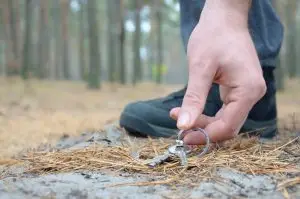
Losing keys is bound to happen. That’s why we keep a recovery plan simple and ready. First, every key on our daily chain includes an engraved tag with a return phone number. We never put a name or address on the tag, only a way to reach us. That way, if someone finds the keys, they can contact us without risking our home’s safety.
Second, we store one backup of every essential key in a locked drawer or safe. This includes copies for the house, garage, and mailbox. We make sure one adult in the family always knows where they are and how to access them.
If all backups are missing or the locks feel risky, we schedule a visit with a lock installation and repair service. It saves time, and we avoid making security mistakes in a rush.
Use Digital Tools To Stay Organized
We also use apps and phone reminders for key tracking. A shared family calendar might remind us to check the spare set monthly. Notes apps can store which key belongs to which door or who last used the guest key. For larger families, shared checklists can track when kids return borrowed sets.
Photos can also help. We take a picture of each key next to its label. This makes it easier to describe what’s missing if someone loses theirs. When a locksmith needs to match a blank or fix damage, these small digital tools can really help.
Simple digital habits reduce mental clutter and make key management smoother. Especially with teenagers or roommates, these tools help avoid constant back-and-forth.
Store Specialty Keys Separately
Not every key in the house needs to be accessible every day. That’s why we store specialty items, like shed keys, storage unit keys, or vehicle spare keys, in a separate box. This stays inside a locked drawer or small safe. It keeps everything tidy and secure, without mixing them into the everyday rack.
We label each clearly and keep a short list of what’s inside. These rarely-used keys still matter, especially during emergencies or trips. But they shouldn’t be lost under layers of keychains and clutter.
When we help others create a better home key plan, this is often one of the first fixes we make. Separating daily use from rare-use items makes everything more manageable.
Set a Backup Contact Outside the House
If every person in your home is away, and someone needs emergency access, it helps to have one trusted person outside the family with a spare. This might be a close friend or a relative nearby. We store their name and phone number with our emergency contacts, and we check in once a year to confirm they still have the key.
We also let the family know who that person is. In case of lockouts, forgotten keys, or urgent situations, everyone knows who can help. This step prevents unnecessary damage from forced entry or paying for emergency services without need.
In case that spare ever goes missing or we feel unsure about access, we reach out to a local emergency locksmith in Calgary who can rekey locks quickly and restore peace of mind.
Rotate and Retire Old Keys
Over time, keys wear out. Edges smooth, teeth dull, and cracks appear near keyholes. If a key feels sticky or needs extra force, it’s a warning. We make it a habit to check each one twice a year. When a key looks weak or breaks easily, we replace it right away.
We also gather any duplicates we no longer need. Old sets from past roommates, broken fobs, or keys without a label go into a discard pile. Once we’re sure they aren’t useful, we destroy them safely to avoid confusion or risk.
These small checks save bigger problems later. We’ve helped many households who ignored weak keys until a break or lockout caused trouble. Prevention takes five minutes and saves frustration.
Have Questions? We’re Ready To Help
If you need help rekeying locks, creating duplicate sets, or setting up a proper plan, our team is ready. Speak with a locksmith in Calgary who understands how families live and what homes need to stay safe and organized. We’ve helped hundreds of households reduce key stress and avoid avoidable lockouts.
Feel free to contact us today if your current key system feels confusing, risky, or incomplete.
FAQs
How many house keys should each family member have?
Each person should only have one daily-use key. A second backup can stay in a secure location or lockbox for emergencies.
Is it safe to label keys with room names?
Avoid specific labels that give away access points. Use initials or color coding instead. This protects your home if a key gets lost.
Can I make copies of keys from a photo?
Photos help identify keys, but you still need a physical one or code to make copies. Share photos only with professionals you trust.
What’s better: rekeying or changing the whole lock?
Rekeying is faster and more affordable in most cases. You only need full replacement if the hardware is damaged or outdated.
Who should I trust with a spare key outside my home?
Only give spares to someone you trust completely. Make sure they understand when and how to use it, and keep their info updated.